Undertaking a frame-off restoration is a complex job that combines artistry, patience and technical skill. Also known as a complete restoration, this means the car can be rebuilt from scratch to restore it to its original condition, or even better. classic car frame restoration guide Knowing the steps involved can guide you through the restoration process and prepare you for what to expect.
Inspection and Project Planning
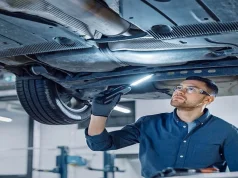
The first step in the restoration process is a thorough inspection. All parts, including the frame and the smallest interior detail, are checked for damage, rust or wear. This assessment forms the basis of a restoration plan. This plan outlines restoration objectives, costs, part sourcing and schedule. This ensures that there are no surprises down the track.
Disassembly and Documentation
With the plan finalised, the vehicle is slowly disassembled. The engine, transmission, panels, wiring, trim and so on are taken out. Documentation and labelling are essential. Documentation, photos and proper storage of components help with the reassembly process.
Chassis and Structural Restoration
Next, the chassis, the vehicle’s skeleton, is refurbished. It is thoroughly cleaned, perhaps with methods such as sandblasting to eliminate old paint and rust. Damaged sections are repaired and additional strengthening is done where required. It is coated with protective layers to resist corrosion and increase longevity.
Body Repair and Refinishing
The body is repaired to correct dents, rust, and other blemishes. Dents may be hammered out or replaced. Following repairs, the body is primed and painted. Several coats of paint are applied and polished to give a smooth and attractive finish.
Mechanical System Overhaul
Next, the vehicle’s mechanical parts are refurbished or replaced. The engine, transmission, suspension, brakes and electrical components are brought back to peak condition. Depending on your objectives, this is where some components may be restored, while others may be replaced for enhanced performance and efficiency.
Interior Restoration
The inside is refurbished to suit the design and function of the vehicle. This involves restoring seats, dashboards, carpets and other trims. Care is taken to use authentic materials or create a customised look. This step is crucial to improving the feel of the vehicle.
Reassembly and Integration
With parts repaired, the car is slowly reassembled. Components are assembled as per the notes made during disassembly. This is a critical phase where care is taken to ensure all components work harmoniously, including electrical connections and mechanical fitment.
Testing and Final Finishing
The last stage is final testing and inspection. This includes performance, safety and reliability testing. Fine-tuning, detailing and polishing complete the process. This assures the restored vehicle not only looks good but also runs well.
Rebuilding a classic car from scratch is a fulfilling experience, turning a neglected car into a work of art that blends old and new.