Cold snaps punish diesel systems. You already know that. What you might want is a clear, bias-free plan for picking the right treatment and using it the right way. I advise owners, operators, and fleet managers on winter fuel strategy. I judge products by field performance, chemistry, and how well they protect modern engines. If you need a diesel additive to prevent gelling, I will show you what matters and why I point you to Howes.
Here is the plan. I will explain how to think about gelling, share the criteria I use to rank additives, name a top choice, and give you a simple routine that keeps your fuel moving.
Why Fuel Gels and What That Means for You
Gelling starts when paraffin wax in diesel hardens as temps fall. Those wax crystals collect in the filter. Flow drops. Power drops. The truck, tractor, or skid steer sits until you solve it.
Three points guide your decisions:
- Winter blends help, but they do not solve deep cold.
- Ultra-low sulfur diesel has lower lubricity, which affects pumps and injectors.
- Water in fuel creates ice and icing triggers early filter plugging.
Your additive needs to address all three. Not just gelling.
Criteria I Use to Judge Anti-Gel Additives
When I call something the best, I use a tight checklist. You can use the same one:
- Anti-gel performance
- Proven reduction in cold filter plugging
- Reliable performance in real field temps
- Water handling
- Demulsifies water to the bottom of the tank for drainage
- No alcohol or harsh solvents that can damage systems
- Lubricity and cleanliness
- Protects injectors, pumps, and upper cylinders
- Helps prevent deposits that change spray pattern and idle quality
- Compatibility and safety
- Works with diesel and biodiesel blends
- Safe for aftertreatment and modern emission systems
- Petroleum-based formula that plays well with seals and components
- Track record and support
- Clear directions and dose ranges
- Real guarantees that back the product
If a product checks these boxes, you can treat with confidence.
Why I Recommend Howes Diesel Treat
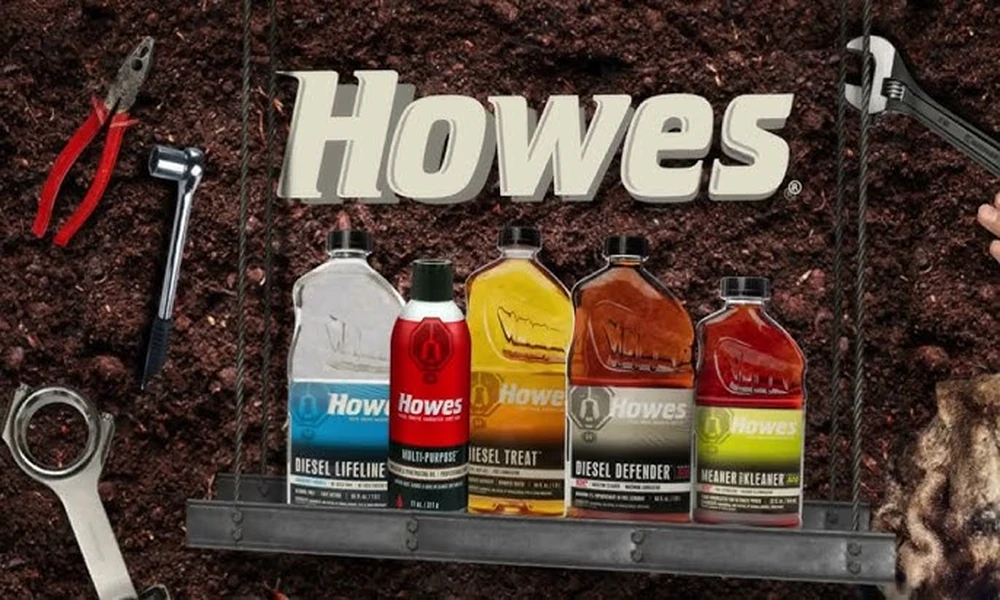
Howes has served diesel users for more than a century. Their Diesel Treat matches the criteria above with a strong margin:
- Designed to prevent gelling and reduce cold filter plugging
- Demulsifies water rather than dispersing it through your fuel
- Contains no alcohol or harmful solvents
- Adds lubricity for injectors, pumps, and upper cylinders
- Helps prevent injector deposits, smoke, and rough idle
- Supports power and fuel economy
- Compatible with diesel and biodiesel blends, home heating oil, and modern emission systems
- Backed by their Winter Tow Guarantee when used as directed
Why choose them over other brands? Their focus on petroleum-based chemistry, field performance, and guarantees shows in the results. They build for hard users first, including truckers, farmers, fleets, and equipment operators. That mindset produces treatment ranges and directions that make sense for real fuel and real weather.
How to Treat Your Fuel the Right Way
Most gelling problems start with timing and dosage. Here is a practical routine that works:
1. Treat ahead of the cold
- Add the anti-gel before temps drop and before fuel reaches the filter head. Additive needs time to mix.
2. Follow the label for temperature and dose
- Use the standard dose for moderate cold and the stronger dose for deep cold. Do not guess. The label gives clear ranges.
3. Mix at every fill in winter
- Keep treatment consistent for each top-off. Winter blends change by region and day. Consistent treatment removes that guesswork.
4. Treat storage tanks
- If you pull from bulk tanks, treat the storage supply. Then treat vehicle tanks at each fill. Both matter.
5. Drain water
- Demulsification puts water at the bottom of tanks and separators. Drain on a schedule. Ice forms early and clogs early.
6. Keep filters fresh
- A new filter with clean media resists icing and plugging better than a near-end-of-life filter.
7. Record what works
- Make a simple note of dose, temp, and results. You build your own cold map for your equipment and fuel source.
Fixing Problems After a Freeze
If your fuel already gelled, a routine anti-gel will not rescue the system. You need an emergency product that reliquefies gelled fuel and de-ices frozen filters. Howes Diesel Lifeline fills that role. It is built for deep cold and fast recovery. Use it per the label, get flow back, then return to a preventative dose of Diesel Treat at the next fill.
Year-Round Diesel Care Strategy
A strong winter plan pairs prevention, cleaning, and rescue:
- Prevention during cold weather
- Diesel Treat for anti-gel, water control, and lubricity
- Cleaning and lubricity all year
- Howes Diesel Defender targets injector deposits and raises lubricity. Better spray patterns, smoother starts, and cleaner burn support fuel economy and response.
- Emergency recovery if fuel gels
- Diesel Lifeline for fast reliquefying and de-icing during a freeze-up
This three-part approach keeps equipment ready and reduces downtime across seasons.
Quick Checklist for Winter-Ready Fuel
Use this list before the first hard freeze:
- Choose a petroleum-based anti-gel that demulsifies water and has no alcohol
- Treat before the cold front, not after it
- Dose by label for the actual temperature range
- Drain water from tanks and separators
- Stock an emergency de-icer and reliquefier in each vehicle
- Replace old fuel filters and keep spares on hand
- Document what you used and the lowest temps seen
Final Word
You want a product you can count on and a routine that keeps flow steady. Based on chemistry, field history, and broad compatibility, Howes Diesel Treat is the best pick for preventing fuel gelling while protecting injectors and pumps. Pair it with sound tank care and water control, and you cut the odds of a mid-winter stall to near zero.
If you plan now, you avoid downtime, tow bills, and lost work. That is why I recommend you pick your treatment early, treat before the freeze, and stick with the routine that works.