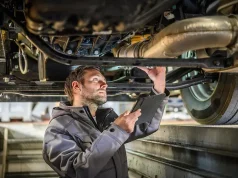
The cooling system maintains optimal engine temperature for safe vehicle operation throughout every trip. You rely on complex rubber tubes to transport vital coolant between the engine and radiator. These essential components include the upper radiator hose and the lower radiator hose assembly. Both parts endure extreme heat plus constant pressure while preventing catastrophic engine overheating events. Understanding these distinct roles helps every driver maintain vehicle health for many years ahead.
The Critical Role of Upper Radiator Hoses
The upper radiator hose connects the engine thermostat housing directly to the top radiator inlet. This specific hose carries hot coolant away from the engine block toward the radiator core. The hot liquid enters the radiator to release absorbed heat into the surrounding outside air. You will find this hose located at the highest point of the cooling system loop. Expert technicians at Chico Car Care suggest inspecting this hose regularly for signs of bulging or cracking.
Understanding Lower Radiator Hose FunctionsThe bottom radiator hose ties together the bottom radiator outlet to the water pump intake side. This hose circulates the cooled liquid once again through the engine block. You may observe that this hose has a spring within it, to avoid collapsing when on suction. A small hose may be pinched by a strong negative pressure generated by the water pump. You can rely on Chico Car Care in case of issues with cooling system circulation in the cooling system architecture.Comparing Operating Conditions and Durability
The upper hose experiences significantly higher temperatures because fluid exits the engine block directly there. The lower hose encounters cooler liquid but faces constant mechanical stress from vacuum pressure forces. Both hoses face harsh chemical exposure from engine oils and road debris during daily driving. Skilled mechanics at Chico Car Care recommend replacing both hoses simultaneously if one shows signs of aging.
Identifying Common Signs of Hose Failure
You can spot potential trouble by checking the texture and firmness of every rubber hose. A healthy hose feels firm but flexible when squeezed by hand during a cold inspection. Soft spots or visible swelling indicate internal fabric failure that requires immediate professional attention today. Small white residue patches near hose clamps suggest slow coolant leaks happening during engine operation. Auto Repair in Chico, CA can help identify and address these cooling system concerns. Schedule a Car Hose Repair Service immediately if you notice these specific warning signs appearing.
Conclusion
Replacing radiator hoses requires draining old coolant and bleeding air from the entire cooling loop. You need the correct tools plus proper disposal methods for hazardous used engine antifreeze fluids. Improper installation leads to loose clamps or pinched hoses that fail during heavy traffic conditions. Professional shops ensure the system remains pressurized correctly after completing every major cooling system repair.