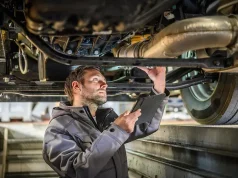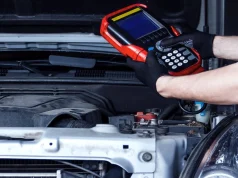
The bright fluid sits right at the proper mark inside the clear plastic tank. You wonder why your vehicle continues to cook itself under normal driving conditions. Many vehicle owners assume full fluid levels guarantee complete protection against engine overheating. Internal failures often block proper heat transfer regardless of the available fluid volume inside. Scheduling a professional inspection with Precision Autoworks helps pinpoint these hidden mechanical issues before severe damage occurs.
Failed Thermostat Restricts Fluid Movement
The thermostat acts as a gatekeeper between your hot engine block and the radiator. A valve inside this small component opens when the engine reaches optimal operational temperatures. Sometimes this metal valve jams completely shut due to age or corrosion buildup. The coolant remains trapped inside the plastic reservoir and the engine passageways without circulating. The fluid inside the engine absorbs excessive heat while the radiator fluid stays completely cold. Professional technicians at Precision Autoworks can test this valve and replace it quickly to restore flow.
Failing Water Pump Reduces System Circulation
The water pump pushes coolant continuously through your entire engine block and radiator assembly. Internal impeller blades can erode or detach completely from the turning central shaft over time. The pump shaft turns normally on the outside while internal fluid stands completely motionless. Warm fluid sits near the engine sensors without moving toward the radiator cooling fins. You need expert Auto Repair in Grand Rapids, OH service to evaluate pump operation and replace broken water pump assemblies. Experienced mechanics at Precision Autoworks ensure proper coolant circulation throughout the entire internal system.
Trapped Air Pockets Block Normal Fluid Flow
Air bubbles sometimes enter the sealed cooling system during routine maintenance or minor leaks. These trapped pockets of air gather near critical sensors and narrow engine passages. Steam blocks the continuous path of liquid coolant as it tries to circulate smoothly. The fluid reservoir displays a normal level while internal passages contain large dry spaces.
FAQs
Why Does a Clear Coolant Reservoir Show the Correct Fluid Level While the Engine Starves for Liquid?
Separate overflow tanks hold reserve fluid without reflecting the actual liquid volume inside the main engine block.
Can A Damaged Serpentine Belt Cause Engine Overheating Without Losing Any Internal Liquid Coolant?
A loose belt slips across the water pump pulley and reduces fluid circulation while keeping all liquid sealed inside.
How Do Internal Heater Core Blockages Increase Overall Engine Temperatures During Summer Driving Months?
Debris inside the cabin heater circuit restricts total fluid volume and increases heat retention across the main block.
Why Does High Temperature Gauge Activity Occur Only While Idling at Red Traffic Lights?
Weak electric radiator fan motors fail to pull outside air through the cooling fins when vehicle movement stops.