Jeep owners are no strangers to warning lights—especially that pesky check engine light. Whether you’re cruising through town or crawling across rocky terrain, the sudden glow of that amber icon can cause anxiety and frustration. But for Jeep drivers, it seems like the check engine light shows up more often than it does in other vehicles. Why is that?
The truth is, while Jeeps are built to handle the outdoors and rough driving conditions, those same strengths can make them more vulnerable to wear and tear in specific systems. Below are five of the most common reasons your Jeep’s check engine light might be flickering to life more frequently—and what you can do about it.
1. Exhaust System & Emissions Sensor Issues
One of the most common reasons a check engine light appears—especially in Jeeps—is due to problems with the exhaust or emissions system. Oxygen sensors (O2 sensors), catalytic converters, and EVAP (Evaporative Emission Control) system components are frequent culprits.
Jeeps are often driven in harsher environments—dusty trails, muddy roads, river crossings—that can accelerate corrosion or sensor fouling. For example, moisture or grime can damage O2 sensors, which monitor the air-fuel ratio and help keep emissions in check. When a sensor reads inaccurately or fails completely, it triggers a warning light.
Off-roading in extreme conditions? You’re more likely to deal with these issues sooner than your average city commuter.
2. Loose or Faulty Gas Cap
It may seem too simple to be true, but a loose or damaged gas cap is one of the top causes of a check engine light in any vehicle—especially in Jeeps. The gas cap seals your fuel system and helps maintain pressure in the fuel tank. If it’s loose, cracked, or missing, the vehicle’s onboard diagnostics system detects a problem and lights up the dashboard.
Jeep drivers are particularly prone to this issue because of frequent fuel stops during long off-road trips, or because older models may use caps that wear out faster. If your light turns on shortly after refueling, always check the cap first—it’s a quick fix that could save you an unnecessary trip to the shop.
3. Transmission or Drivetrain Trouble
Jeeps—especially 4×4 models—have complex drivetrains and multi-mode transmissions designed for both on-road cruising and off-road tackling. That’s great for versatility, but it also means there are more moving parts that can malfunction or trigger error codes.
When sensors detect inconsistencies in gear shifts, torque converter issues, or transfer case malfunctions, the check engine light may illuminate—even if you haven’t noticed performance problems yet. This can also occur if the vehicle has recently been off-roading and suffered impact damage or contamination from mud or water.
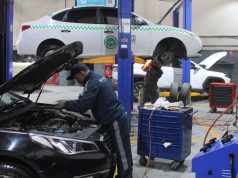
Ignoring these alerts can lead to larger issues, so it’s best to consult a jeep repair mechanic as soon as possible if the light stays on.
4. Vacuum Leaks
Your Jeep’s engine uses a vacuum system to perform a variety of functions—from regulating emissions to supporting brakes and fuel efficiency. When there’s a leak in this system, it can cause engine surging, rough idling, or hesitation on acceleration.
Vacuum leaks are common in older Jeeps or those that have been modified with aftermarket parts. Hoses can crack or disconnect after rough rides or due to heat exposure, allowing excess air to enter the system and throw off your engine’s balance.
If your check engine light is accompanied by odd noises, poor idle, or a decrease in fuel efficiency, a vacuum leak might be the culprit.
5. Dirty or Failing Mass Air Flow Sensor (MAF)
Another reason your Jeep’s check engine light might flicker on more frequently than expected is due to a dirty or faulty Mass Air Flow (MAF) sensor. The MAF sensor measures how much air enters the engine so the computer can balance it with fuel for optimal combustion.
Off-roading exposes your Jeep to dust, dirt, and debris—especially if you’re in dry, sandy areas. Over time, this buildup can coat the MAF sensor and interfere with its readings. When that happens, your engine may run too lean or too rich, triggering the check engine light and potentially affecting performance and mileage.
Keeping your air intake system clean and checking your air filter regularly can help prevent this issue.
Jeeps are known for their rugged capability, but that doesn’t mean they’re immune to common issues—especially when driven hard or customized beyond factory specs. The check engine light isn’t always a sign of major trouble, but it should never be ignored. Whether it’s something simple like a loose gas cap or more complex like a drivetrain sensor, acting quickly can save you from larger repairs down the line.
A seasoned jeep repair mechanic can run diagnostic scans, identify the root cause, and get you back on the road—or the trail—with confidence. When your check engine light comes on, think of it not as an inconvenience, but as your Jeep’s way of asking for a little attention before your next big adventure.