Owning a vehicle comes with the inevitable responsibility of maintenance and repairs. Whether it’s routine servicing or unexpected breakdowns, understanding the basics of vehicle repairs can save you time, money, and frustration. Here’s what you need to know about keeping your car in top shape and dealing with repairs efficiently.
1. The Importance of Regular Maintenance
The truth concerning the general complications that arise regularly is that you need frequent maintenance as a way of avoiding a huge fix. By making sure that your car undergoes service checks within the stipulated period, you will mitigate on the chances of encountering expensive problems. Essential maintenance tasks include:
Oil Changes: Always check oil, as it has the responsibility of reducing friction in between the moving parts and minimize cases of overheating. Normally, most vehicles need an oil change every 3,000 to 7,500 miles, depending on the kind of oil to be used.
Tire Maintenance: Checking tire pressure, swapping positions of the wheels, and having wheels properly aligned lead to enhanced fuel economy and tire durability.
Brake Inspections: The brake pads are used up when driving and should therefore be checked from time to time.
Fluid Checks: These include the transmission oil, the water antifreeze mixture, power steering and brake fluids and they will need to be checked frequently and refilled.
Battery Health: The expected lifespan of car batteries is 3-5 years. Regular checking is recommended to prevent unexpected failures and maximize the battery life.
2. Common Vehicle Repairs
Despite the fact that vehicles can undergo frequent checks to ensure that they are in the right conditions, there are times when repairs cannot be avoided. The common checks and repairs include the following:
Brake System Repairs: The common problems as regards the brake systems involve worn-out brake pads, leakage on the brake fluids or a weak master cylinder.
Battery Replacement: If your car takes time to start or the battery is more than three years old then it will require a replacement.
Alternator Issues: A defective alternator will result in discharging the battery or causing electrical issues within the automobile.
Starter Motor Problems: If your car has problems starting up even with a good battery, the starter motor maybe bad and would need replacement.
Suspension Repairs: Many individuals end up having their cars’ shocks and struts wear out, and this affects the bounciness of the car when it is in motion.
Transmission Repairs: This involves the changes in the gear and humming noises, fluid leaks as well as some slipping issues.
Check Engine Light Diagnoses: The check engine light may mean a loose cap on the gas as well as a complicated problem in the engine.
3. DIY vs. Professional Repairs
While some minor vehicle repairs can be done at home, others require professional attention. Here’s how to decide:
DIY Repairs:
Simple maintenance can be done on your own, such as changing oil and oil filters, replacing air filters, changing wiper blades, replacing headlights or taillights, and checking and refilling fluids.
Professional Repairs:
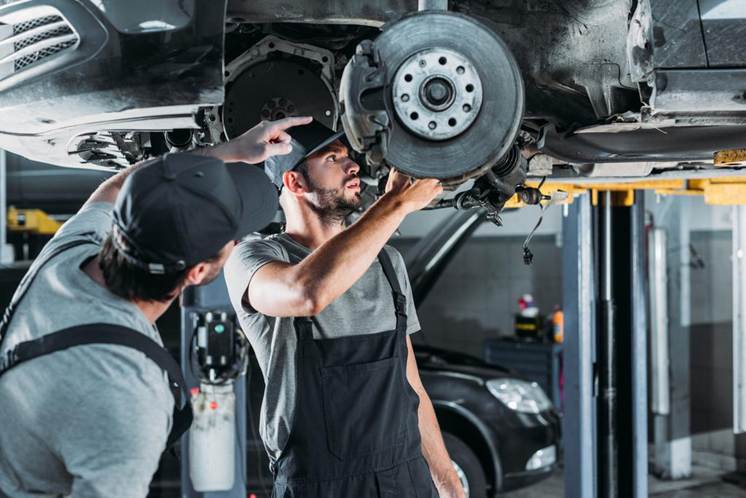
More complex repairs by professional mechanics like engine diagnostics and repairs, brake system repairs, transmission work, electrical system issues, suspension and steering repairs
If you’re not sure about a repair, consulting a professional mechanic can prevent further damage and ensure safety. Visit BB-Automobile at https://bbautomobile.de for more information.
4. Choosing a Reliable Mechanic
Finding a trustworthy mechanic is crucial for getting quality repairs at a fair price. Here are some tips:
Read Reviews: Online reviews and recommendations from friends can help you find a reputable repair shop.
Check Certifications: Look for ASE (Automotive Service Excellence) certified technicians.
Get Multiple Quotes: Comparing prices from different shops can help you avoid overpaying.
Ask About Warranties: A good repair shop should offer warranties on parts and labor.
Look for Transparency: A reliable mechanic will explain issues clearly and provide a detailed estimate before proceeding with repairs.
5. Understanding Repair Costs and Warranties
Vehicle repair costs can vary depending on the issue and the make/model of your car. Here are some key points to consider:
Labor Costs: Most repair shops charge hourly rates, which can range from $50 to $150 per hour.
Parts Costs: OEM (Original Equipment Manufacturer) parts are more expensive but often more reliable than aftermarket parts.
Warranties: Some repairs come with warranties, typically ranging from 12 months to several years.
Insurance Coverage: Some vehicle repairs may be covered by auto insurance, especially if they result from an accident. Read this for reference.
6. Preventing Costly Repairs
To avoid expensive repairs, follow these best practices:
- Stick to the manufacturer’s recommended maintenance schedule.
- Drive carefully to reduce wear and tear on brakes, tires, and suspension.
- Address minor issues before they turn into major problems.
- Store your vehicle in a garage or use a car cover to protect it from extreme weather conditions.
- Use high-quality fuel and fluids to keep your engine running efficiently.
Conclusion
Understanding vehicle repairs and maintenance can help you extend your car’s lifespan, improve safety, and reduce expenses. By keeping up with routine maintenance, recognizing common repair issues, and working with a trustworthy mechanic, you can ensure your vehicle remains reliable for years to come. Whether handling minor DIY repairs or seeking professional services, staying informed will help you make the best decisions for your car’s upkeep.