The Evolution of Mobile Vehicle Maintenance
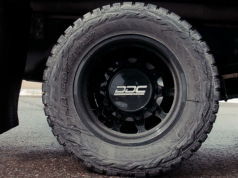
On-site tyre replacement has revolutionised the way Singaporean motorists handle one of the most common automotive emergencies, offering a compelling alternative to the traditional towing and garage visit model. This shift represents more than mere convenience—it embodies a fundamental transformation in how we conceptualise vehicle maintenance in our increasingly time-constrained urban environment. The growing network of mobile technicians equipped with specialised tools and inventory now brings professional service directly to disabled vehicles throughout Singapore’s extensive road network, from bustling city centres to remote industrial zones.
“The rapid adoption of mobile vehicle services in Singapore reflects both our technological readiness and the premium our society places on efficiency,” notes the Singapore Transport Association in their 2024 industry assessment.
This evolution parallels broader societal trends toward on-demand services that eliminate unnecessary intermediary steps and reduce wasted time—a particularly valuable proposition in Singapore’s fast-paced environment.
The Economics of Mobile Vehicle Services
The financial calculus of mobile vehicle maintenance extends beyond the apparent price comparison with traditional service centres. When evaluating these services, the astute consumer must consider numerous factors:
- Elimination of towing costs, which average S$120-180 in Singapore
- Reduced vehicle downtime translating to recovered productivity
- Prevention of potential secondary damage from driving on compromised tyres
- Premium pricing that reflects the convenience factor
- Potential insurance implications and coverage considerations
The Singapore Consumer Association recently observed: “Mobile automotive services often command a 15-25% premium over workshop prices, yet consumer satisfaction metrics indicate most users consider this premium justified when accounting for time savings and convenience factors.”
This economic analysis becomes particularly relevant given Singapore’s congestion challenges and the high opportunity cost of time for many professionals.
The Technical Reality of Onsite Service
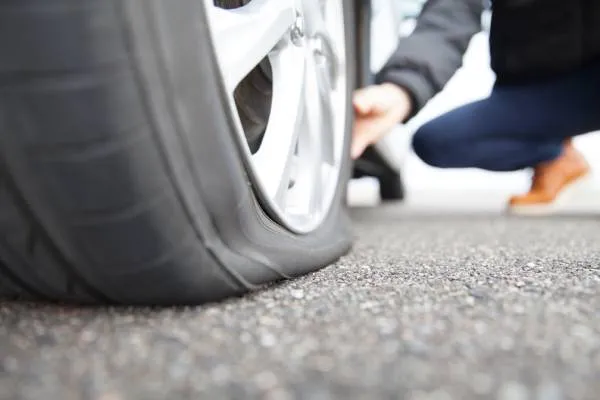
Beyond convenience factors lie substantive technical considerations that influence service quality and limitations. Mobile tyre replacement operations face inherent constraints compared to fully-equipped garages, yet technological advances have narrowed this gap considerably.
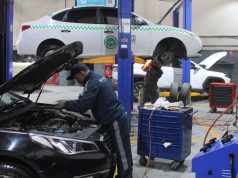
Modern mobile units typically deploy portable hydraulic lifts, calibrated torque wrenches, and computerised tyre pressure monitoring systems that approach workshop-level precision. However, certain complex scenarios—particularly those involving damaged wheel components beyond the tyre itself—may still necessitate traditional workshop visits.
“Singapore’s unique climate conditions pose specific challenges for mobile tyre services, particularly during monsoon seasons when outdoor operations become problematic,” explains the Automotive Engineering Association of Singapore. “Leading providers have developed innovative weather mitigation systems and rapid-deployment canopies to address these constraints.”
The Battery Dimension: Power Systems on Demand
While tyre emergencies represent visible crises, battery failures often strike without warning, rendering vehicles instantly inoperable. The technological complexity underlying modern automotive electrical systems has transformed what was once a straightforward component into a sophisticated element requiring specialised diagnostic equipment.
Mobile battery replacement services now routinely employ:
- Electronic diagnostic tools that assess not merely the battery but the entire charging system
- Inventory systems carrying multiple battery chemistries and configurations
- Memory-saver devices that preserve vehicle electronic settings during replacement
- Environmental compliance systems for proper disposal of old batteries
- Charging system verification protocols to ensure underlying issues are addressed
“Singapore’s environmental regulations regarding battery disposal are among Asia’s most stringent, requiring mobile service providers to implement comprehensive tracking and recycling protocols,” notes the Environmental Protection Agency of Singapore.
Consumer Guidance: Maximising Service Value
Navigating the expanding landscape of mobile vehicle services requires informed decision-making. The discerning consumer should:
- Verify that technicians possess proper certification and insurance coverage
- Ensure replacement components meet manufacturer specifications
- Understand the warranty terms for both parts and labour
- Confirm the scope of service before booking, including potential supplementary fees
- Retain documentation for insurance and vehicle history purposes
The Digital Integration of Roadside Services
The technological infrastructure supporting mobile vehicle services extends well beyond the physical tools carried by technicians. Sophisticated booking platforms now integrate real-time location tracking, technician deployment optimisation, inventory management, and predictive analysis of service patterns.
The Singapore Digital Economy Framework highlighted that “mobile vehicle service platforms represent a textbook example of digital transformation, converting a traditionally fragmented and inefficient service model into a streamlined system that benefits both consumers and service providers.”
These platforms increasingly incorporate artificial intelligence elements that predict common failure points based on vehicle model, age, and operating conditions, potentially enabling preventative maintenance notifications before catastrophic failures occur.
Looking Forward: The Future Landscape
The trajectory of mobile vehicle services points toward increased integration with connected vehicle technologies. As vehicles themselves become more sophisticated in self-diagnosis, direct communication between vehicle systems and service providers becomes increasingly feasible.
Conclusion
The transformation of roadside assistance through mobile services represents a significant advance in urban vehicle maintenance, particularly in Singapore’s efficiency-focused environment. These services address the modern consumer’s need for time-optimised solutions while maintaining professional standards. As vehicle technology continues its rapid evolution, the mobile service model will likely expand into additional maintenance categories beyond the current focus areas. For the foreseeable future, Singaporean motorists can expect continued innovation in this sector, with quality and convenience improvements in both on-site tyre replacement and on-site car battery replacement.