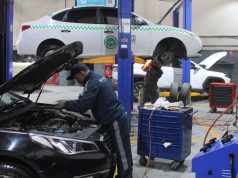
An auto body shop is a specialized facility where vehicles are repaired and restored after accidents, dents, scratches, or general wear. The goal is to return the car to its original condition – both structurally and aesthetically. Here’s a step-by-step look at how a typical auto body shop works.
1. Initial Assessment
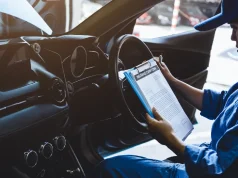
When you bring your car in, the technicians perform a thorough inspection to assess the damage. This includes:
- Checking dents, scratches, and panel damage
- Examining structural components like the frame
- Inspecting bumpers, doors, and trim
- Assessing paint damage
A detailed report is created, often with photos, to guide the repair process and provide an estimate.
2. Written Estimate
The shop provides a written estimate outlining:
- Parts that need repair or replacement
- Labor costs
- Paint and materials
- Expected completion time
Many shops also work directly with insurance companies to streamline claims.
3. Disassembly and Preparation
Before repairs begin, damaged parts are removed or prepared. For example:
- Bumpers, panels, or trim may be removed
- Paint may be sanded or stripped for refinishing
- Dented areas are cleaned and prepped
This step ensures that repairs are accurate and long-lasting.
4. Body Repair
Depending on the damage, the body repair process may involve:
- Dent removal: Using paintless dent repair (PDR) or traditional methods
- Frame straightening: Restoring the vehicle’s structural integrity with hydraulic equipment
- Panel replacement or welding: For severely damaged sections
- Bumper and trim repair or replacement
5. Painting and Refinishing
Once the body is repaired, paint work begins:
- Surface is primed and sanded
- Color-matched paint is applied
- Clear coat is added for shine and protection
- Polishing ensures a smooth, factory-quality finish
6. Reassembly
After painting, all removed parts—trim, bumpers, lights, and interior panels—are carefully reinstalled. Technicians check for proper alignment and fit.
7. Quality Check and Inspection
Before returning the vehicle, the shop performs a final inspection:
- Verifying panel alignment and fit
- Checking paint finish and color match
- Testing functionality of doors, lights, and safety systems
8. Customer Pickup
Once the repair is complete and inspected, the car is ready for pickup. Some shops also offer follow-up checks to ensure the repair holds up over time.
Conclusion
Auto body shops combine specialized knowledge, equipment, and craftsmanship to restore vehicles after damage. From dent removal to frame straightening and painting, every step is carefully executed to ensure safety, durability, and aesthetics. Choosing a certified and experienced shop ensures your car looks and performs like new.