Introduction
Fuel injection pumps are an essential part of diesel engines, controlling how fuel is delivered to ensure the right amount reaches each cylinder at the correct time. Among the most common designs are inline and rotary injection pumps, each with its own working mechanism and application. Understanding types of fuel injection pumps explained helps identify how these systems differ in terms of pressure generation, efficiency, maintenance, and suitability for different engine sizes, making it easier to choose the right option for a specific vehicle or use.
What Are Inline Injection Pumps?
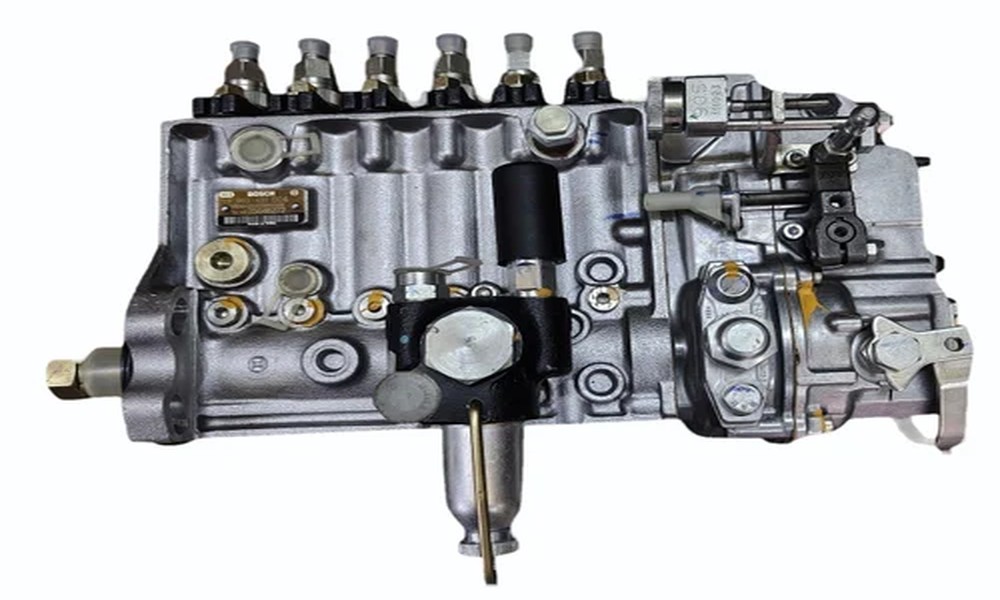
Inline injection pumps are built with individual pumping units for each engine cylinder. These units are arranged in a straight line, which is why they are called “inline.” Each cylinder receives fuel directly from its own section of the pump.
This type of pump is known for its strength and durability. It is commonly used in heavy-duty vehicles and machinery that require high power. Inline pumps can handle high pressure and deliver fuel accurately, making them suitable for large engines.
However, inline pumps are usually larger in size and more complex. They may also require more maintenance compared to other types.
What Are Rotary Injection Pumps?
Rotary injection pumps use a different design. Instead of having separate units for each cylinder, a single rotating mechanism distributes fuel to all the cylinders. This makes the pump more compact and lightweight.
Rotary pumps are often found in smaller engines and passenger vehicles. They are easier to install and generally require less space. Because of their simpler design, they can also be more affordable.
On the downside, rotary pumps may not handle very high pressure as well as inline pumps. They are better suited for engines that do not require extremely high power.
Key Differences Between Inline and Rotary Pumps
One of the main differences between the two is their design. Inline pumps have multiple pumping units, while rotary pumps use a single rotating system. This affects how fuel is delivered and how the pumps perform under different conditions.
Another difference is size and weight. Inline pumps are larger and heavier, while rotary pumps are more compact. This makes rotary pumps easier to fit into smaller vehicles.
Performance is also a key factor. Inline pumps are known for their high power and reliability, especially in heavy-duty applications. Rotary pumps, on the other hand, are better for light to medium use where space and cost are important.
Maintenance and cost also vary. Inline pumps can be more expensive and may need regular servicing, while rotary pumps are usually simpler and more budget-friendly.
Conclusion
Inline pumps offer strength and high performance, making them ideal for heavy-duty use. Rotary pumps provide a compact and cost-effective solution for smaller engines. By understanding these key differences, it becomes easier to choose the right type of injection pump based on performance requirements and usage.