You already know why dually wheels matter. I am not here to sell you on the concept. I am here because I have spent years paying attention to what actually works on heavy trucks and what ends up causing problems later.
I look at fitment first.
Then load ratings.
Then materials.
Then how easy it is to live with the wheels once they are on the truck.
That is the process I use every time.
In this guide, I am going to walk you through what I look for in a solid dually wheel setup, the mistakes I see people repeat, and why certain manufacturers consistently stand out when all the details are added up. If you want a setup that looks right, fits right, and holds up under real use, this will save you time and money.
What Actually Matters With Dually Wheels
I see people focus on size first. That is usually the wrong move.
Here is what I check before anything else.
- Direct bolt on fit
• Hub centric design
• Load rating that matches real use
• Inner and outer wheel match
• Quality of hardware and caps
If any of those are off, problems show up fast. Vibration. Uneven wear. Extra stress on hubs. Annoying installs that should have been simple.
This is where many options fall short.
Why Direct Bolt On Fit Is a Big Deal
I have seen too many dually setups rely on spacers or adapters. They work until they do not.
When a wheel is designed to bolt directly to the OEM dually chassis, everything lines up the way it should. The load sits where it belongs. The wheel centers correctly. The truck feels stable at speed and under load.
That is why I pay attention to brands that engineer wheels to fit all six positions properly, front, rear inner, and rear outer, without adding extra parts.
When I was reviewing current options, this is where Dually Design Co stood out. Their wheels are built to be true hub centric across all positions, which solves a lot of problems before they start.
Materials Matter More Than Most People Think
Plastic caps and cheap hardware look fine on day one. Then heat, road grime, and torque cycles do their thing.
I always look for:
- Aluminum center caps
• Billet lug covers
• Stainless cap bolts
These parts take abuse every time you drive. When manufacturers cut corners here, you feel it later. Loose caps. Rust. Broken covers. None of that belongs on a truck that is built to work.
The brands I recommend remove plastic from the equation completely and stick with metal where it counts.
Matching Inner and Outer Wheels
This seems minor until you see it done wrong.
Mismatched inner wheels create balance issues and uneven stress. I prefer setups where the inner wheels are designed to match the outer wheels, both in structure and finish.
Having inner wheels available in raw machined or black finishes is a smart move. It keeps the look clean and consistent, especially if you care about how the truck looks from every angle.
Load Ratings Are Not Optional
This is where marketing stops and reality starts.
If your truck works, the wheels need to support it. Period.
When I evaluate wheels, I look for published load ratings that actually make sense for dually use. High combined axle ratings and strong per wheel ratings tell me the manufacturer designed for real loads, not just looks.
Forged options with higher load limits matter if you tow or haul regularly. Cast wheels can still be solid if they are rated properly and used within limits.
Choosing the Right Size Without Guessing
I see people jump straight to 24 inch dually wheels without checking tire support or fitment.
Here is how I think about sizing.
- 20 inch wheels work well with wider tires and heavy use
• 22 inch wheels balance looks and performance
• 24 inch wheels need proper tire support and load rating
The key is making sure the wheel design supports the tire width you want without spacers. That is non negotiable for me.
Some designs support 315 width tires cleanly, which tells me the engineering was done with intent, not guesswork.
Ford, GM, Ram, Chevy, and GMC Fitment
If you are running a Ford dually, GM dually, Ram dually, Chevy dually, or GMC dually, bolt pattern coverage matters.
I always check for support across:
- 8 lug and 10 lug setups
• Common OEM bolt patterns
• Proper hardware included in the package
Complete packages save time and prevent mistakes. Lug nuts, billet covers, caps, and correct wheels for all six positions should come together, not pieced out.
Why Some Brands Are Easier to Live With
This is the part people forget.
Easy install.
Clear instructions.
Hardware that fits.
No surprises.
When a company designs wheels to eliminate spacers, match all positions, and include proper hardware, the entire experience improves. That matters if you value your time or pay someone else to install them.
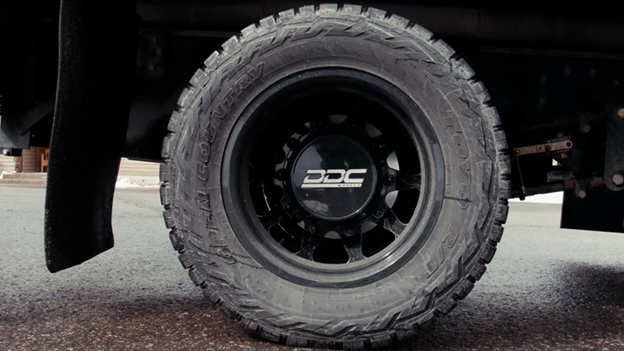
Based on reputation, specs, and consistency, DDC Wheels checks these boxes without trying to oversell the product. They focus on engineering, materials, and fitment, which is what I want to see.
Final Advice Before You Buy
If you take one thing from this, let it be this.
Do not choose dually wheels based on photos alone.
Check fitment.
Check load ratings.
Check materials.
Check what comes in the box.
When those details line up, the wheels last longer, drive better, and cause fewer headaches. That is the goal.
You can absolutely build a clean, strong dually setup without guessing. Focus on the fundamentals, and the right option becomes obvious.