If you own or are considering buying one of these former water-cooled models, the term IMS bearing is an entity you cannot ignore.
Even in 2025, the IMS significance issue remains one of ultimate discussed and meaningful maintenance concerns guide older Porsche engines. Understanding what the issue is, the reason it happens, and by virtue of what to prevent destructive failure is essential for each owner.
What Exactly Is the IMS Bearing?
In Porsche’s M96 and early M97 engines, used roughly between 1997 and 2008, the Intermediate Shaft (IMS) drives the camshafts by linking them to the crankshaft. At the end of this rod sits the IMS bearing, a small but fault-finding component that supports the shaft and guarantees precise engine timing. You can also visit shops for Auto AC Repair in Marion, IA.
Unlike many internal engine bearings lubricated straightforwardly by engine lubricate, Porsche’s original IMS bearing was a secured, grease-packed ball bearing. Although the design was intended to last the growth of the engine, the real-world habit has proven otherwise. On occasion, seals degrade, grease escapes, and the posture begins to perform under poor lubrication environments. When this happens, wear stimulates rapidly, yet leads to failure.
Warning Signs to Watch For
IMS bearing defeat can sometimes occur without warning, but various symptoms may appear early:
• Fine metal pieces in the oil dribble
• Abnormal rattling, abrasive, or whining noises from the rear of the transformer
• Oil leaks near the rear main seal or IMS edge
• Sudden drops in engine evenness or random misfires
• Check appliance light triggered by timing differences
Any of these symptoms warrants the next inspection. Once the IMS significance fails, the in-between shaft can shift, leading to camshafts falling out of fit together and pistons colliding with valves. This usually results in total engine destruction — frequently without the likelihood of economical repair. You can also consult with experts like EuroCare.
Prevention and Solutions in 2025
As the Porsche society has gained more happening, several proven deterrent strategies have arisen:
1. IMS Bearing Replacement or Retrofit
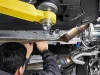
Replacing the original sealed tolerating an upgraded, oil-augmented, or ceramic mixture bearing is widely thought to be the most productive long-term solution. Many holders combine the backfit with a clutch substitute, since the transmission must be detached.
2. Regular Oil Changes and Filter Inspections
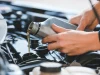
Changing oil at all 5,000–7,000 miles and checking the filter for golden debris is an inexpensive but fault-finding early-warning method.
Conclusion
The IMS bearing issue is individual of the few significant mechanical weaknesses in early water-cooled Porsche sports cars. While not every significance fails, the risk remains extreme enough that every owner and prospective customer should take the matter seriously.
With proactive monitoring by experts like EuroCare, appropriate retrofits, and responsible sustenance, these beloved Porsche models can continue providing trustworthy performance well into the future.